
The Importance of Accessibility at Home
One of the often-overlooked aspects of can cer care is accessibility.
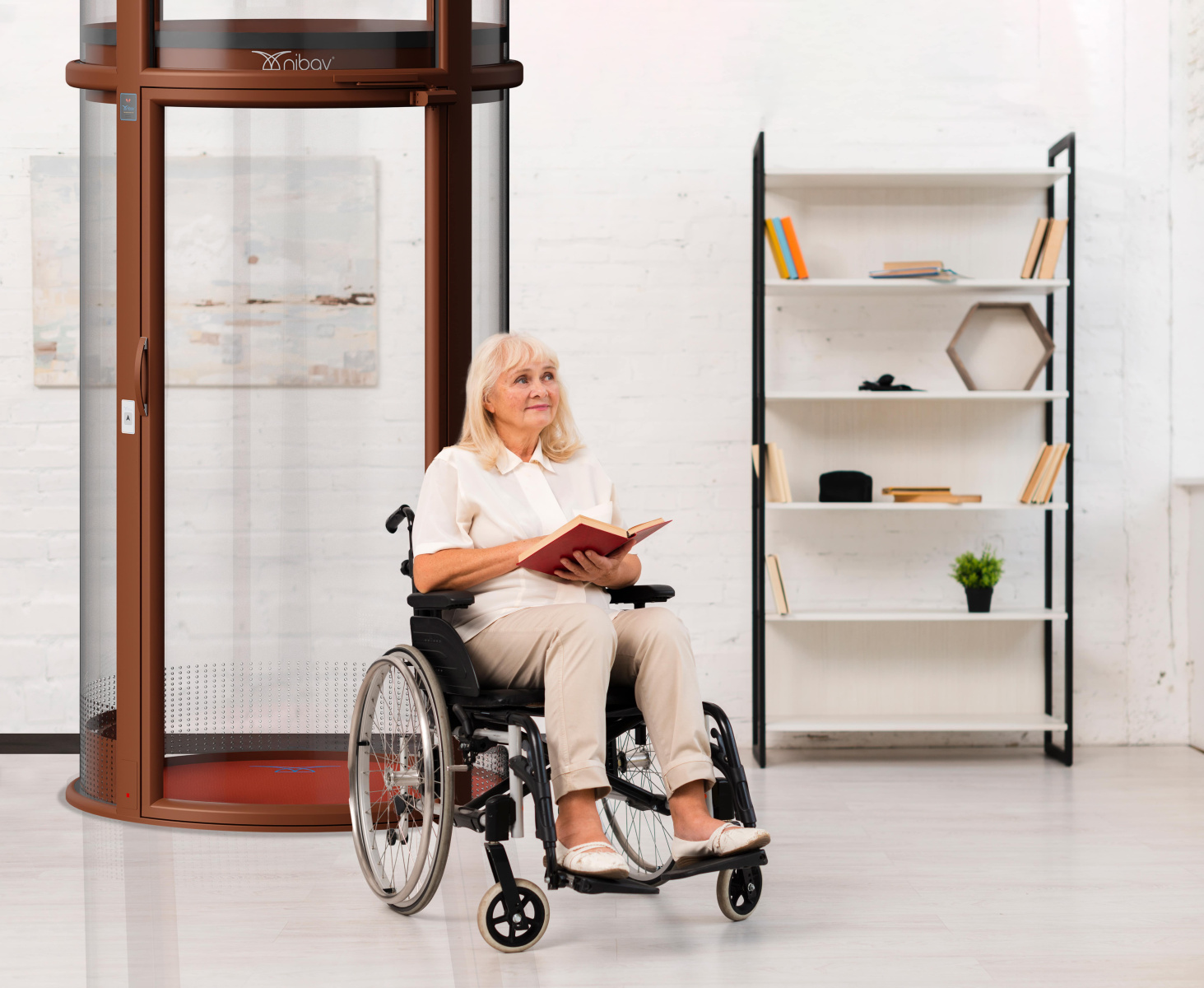
Many patients undergoing treatment exper ience extreme fatigue, loss of muscle stren gth, and neuropathy, making it difficult to cl imb stairs or move freely within multi-story homes. A lack of accessibility can lead to is olation, frustration, and even physical strai n, which can negatively affect recovery.To a ddress these mobility concerns, home desi gns are now being tailored to meet individu al needs, including wheelchair accessibility. This ensures that patients with limited mob ility can navigate their homes comfortably a nd safely without assistance. By incorporat ing thoughtfully designed solutions, familie s can help their loved ones focus on recove ry rather than struggling with daily movent .
Reducing Fall Risks and Enhancing Safety
Chemotherapy, radiation, and certain cance r medications can cause dizziness, imbalan ce, and muscle weakness, increasing the ris k of falls—especially on staircases. For olde r adults or those with additional health cond itions, this risk is even higher. Fall-related i njuries can further complicate the recovery process and may lead to additional hospital izations. To ensure safety and ease of use, home mobility solutions now feature user-friendly controls that allow patients to oper ate them with minimal effort. This simplifie s movement and provides peace of mind for both the patient and caregivers. By reducin g the need for strenuous physical effort, su ch enhancements significantly lower the ch ances of accidents and promote a safer hea ling environment.
Preserving Dignity and Independence
One of the most emotionally challenging as pects of serious illnesses like cancer is the loss of independence. Patients who were o nce active may find themselves relying on f amily members for basic tasks such as mo ving between floors, which can feel limiting and discouraging.
Modern home solutions are designed to se amlessly blend with existing interiors while being integrated with smart home technolo logies such as Alexa, making them conveni ent for patients to use without assistance. T his level of autonomy helps restore confide nce, dignity, and a sense of control, which a re all crucial for a positive recovery experie nce.
A Healing Home Environment Matters
A home should be a place of comfort and h ealing. Studies suggest that a stress-free e nvironment can aid in faster recovery. Patie nts who can move freely within their homes, access their favourite rooms, and avoid unn ecessary physical strain are more likely to e xperience positive mental and emotional st ates.Integrating mobility solutions into the home doesn’t have to be financially burden some. With flexible payment options, such as zero-cost EMI plans, families can provid e their loved ones with the best possible su pport without worrying about excessive fin ancial strain. When accessibility is made b oth practical and affordable, more patients can benefit from a home that fosters healin ng rather than hindrance.
Looking Beyond Treatment: The Role of Ho listic Care
Cancer recovery is not just about medical tr eatments—it is about holistic care, which in cludes emotional, psychological, and physi cal well-being. Caregivers and family mem bers must consider every aspect of a patien t’s daily life, including how they move aroun d and interact with their surroundings. Crea ting a supportive home environment is an in tegral part of this holistic approach. From n utritious meals to emotional support and ac cessible living spaces, every detail plays a r ole in helping a patient recover faster and more comfortably. As we continue to advan ce in medical treatments and cancer care, we must also pay attention to the everyday needs of patients. Accessibility and mobilit y within the home may seem like small aspe cts, but they can have a profound impact on the healing journey. By ensuring homes are thoughtfully designed, easy to navigate, an d financially accessible, families can provid e cancer patients with a space that prioritiz es their safety, independence, and well-bein g. In doing so, we allow them to focus on w hat truly matters—recovery, resilience, and regaining their strength.