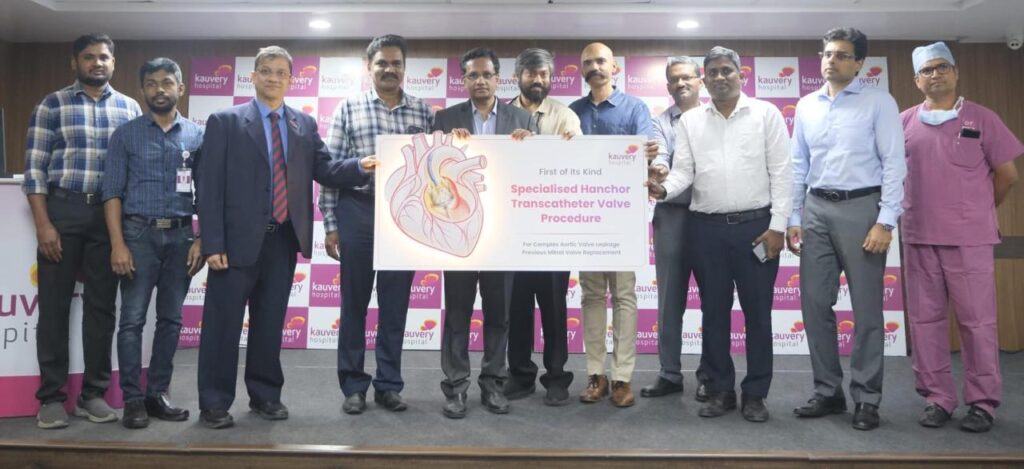
Kauvery Hospital Treats Complex Aortic Valve Regurgitation Using Specialised HANCHOR Valve Technology
Procedure addresses severe heart valve leakage caused by a perforated leaflet in a patient with a history of mitral valve replacement
This marks the first of its kind procedure in a patient with a perforated native aortic valve leaflet and a history of mitral valve replacement.
Chennai, October 29, 2026: Kauvery Hospital, Alwarpet, Chennai, has successfully treated severe aortic valve leakage, known as Pure Native Aortic Regurgitation (PNAR), in a 63-year-old man with a transcatheter aortic valve replacement (TAVR) procedure using the specialised HANCHOR valve. The condition was caused by a perforation in the patient’s native aortic valve leaflet. The patient also had a history of mitral valve replacement, adding to the complexity of the treatment. This is the first of its kind procedure where the HANCHOR valve has been used for TAVR in a patient presenting with this combination of clinical factors.
The aortic valve regulates blood flow from the heart into the aorta, the main artery that supplies blood to the body. When the valve does not close properly, blood flows backwards into the heart, a condition known as aortic regurgitation. In this patient, the leakage was severe and associated with a perforation in one of the valve’s leaflets, making treatment more complex.
Treating pure native aortic regurgitation through a catheter-based approach presents a specific challenge. Unlike aortic stenosis, in which calcium deposits can help secure a replacement valve, patients with pure native aortic regurgitation often have little or no calcification to support the implanted valve. This makes stable positioning and secure anchoring more difficult. The patient’s previous mitral valve replacement added another important consideration to the treatment planning.
The HANCHOR valve is designed to address the challenge of valve anchoring in pure native aortic regurgitation. It combines a balloon-expandable frame with a dedicated anchoring element made of nitinol, a flexible metal alloy. The anchoring mechanism is designed to engage the native valve leaflets and help stabilise the replacement valve, including in situations where the surrounding anatomy offers limited support.
Kauvery Hospital Treats Complex Aortic Valve Regurgitation Using Specialised HANCHOR Valve Technology
Procedure addresses severe heart valve leakage caused by a perforated leaflet in a patient with a history of mitral valve replacement
This marks the first of its kind procedure in a patient with a perforated native aortic valve leaflet and a history of mitral valve replacement.
Chennai, October 29, 2026: Kauvery Hospital, Alwarpet, Chennai, has successfully treated severe aortic valve leakage, known as Pure Native Aortic Regurgitation (PNAR), in a 63-year-old man with a transcatheter aortic valve replacement (TAVR) procedure using the specialised HANCHOR valve. The condition was caused by a perforation in the patient’s native aortic valve leaflet. The patient also had a history of mitral valve replacement, adding to the complexity of the treatment. This is the first of its kind procedure where the HANCHOR valve has been used for TAVR in a patient presenting with this combination of clinical factors.
The aortic valve regulates blood flow from the heart into the aorta, the main artery that supplies blood to the body. When the valve does not close properly, blood flows backwards into the heart, a condition known as aortic regurgitation. In this patient, the leakage was severe and associated with a perforation in one of the valve’s leaflets, making treatment more complex.
Treating pure native aortic regurgitation through a catheter-based approach presents a specific challenge. Unlike aortic stenosis, in which calcium deposits can help secure a replacement valve, patients with pure native aortic regurgitation often have little or no calcification to support the implanted valve. This makes stable positioning and secure anchoring more difficult. The patient’s previous mitral valve replacement added another important consideration to the treatment planning.
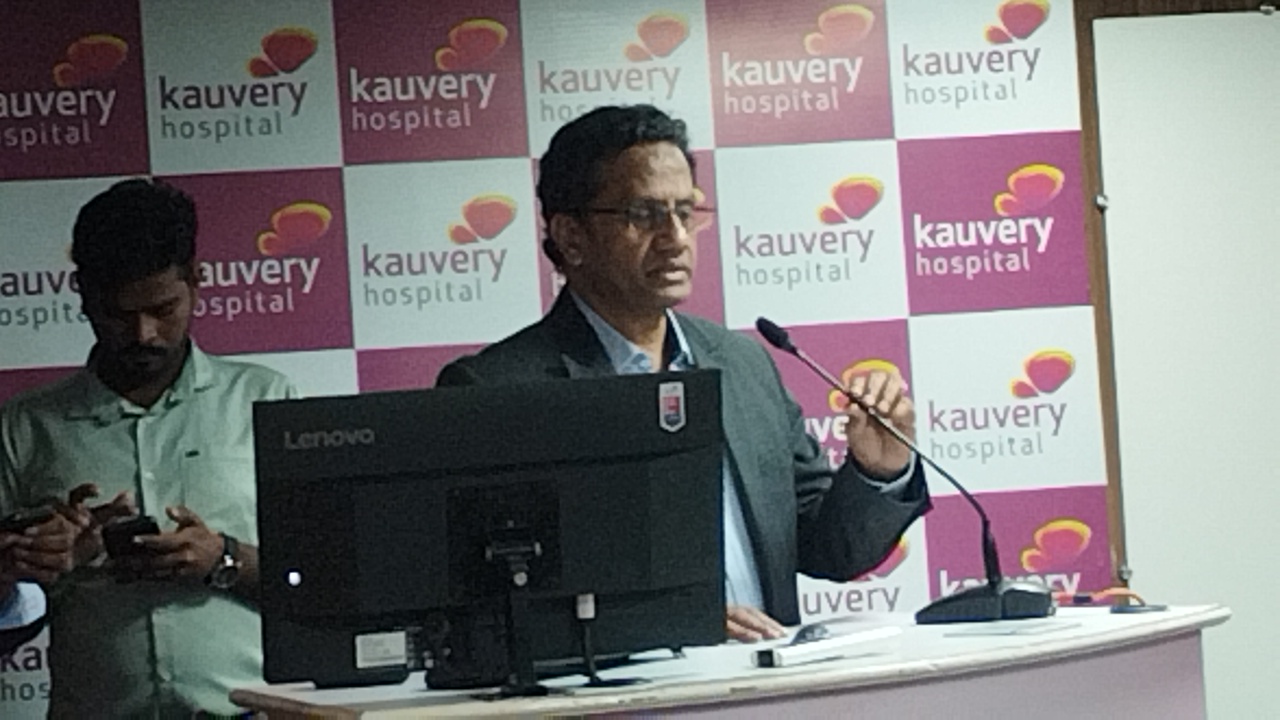

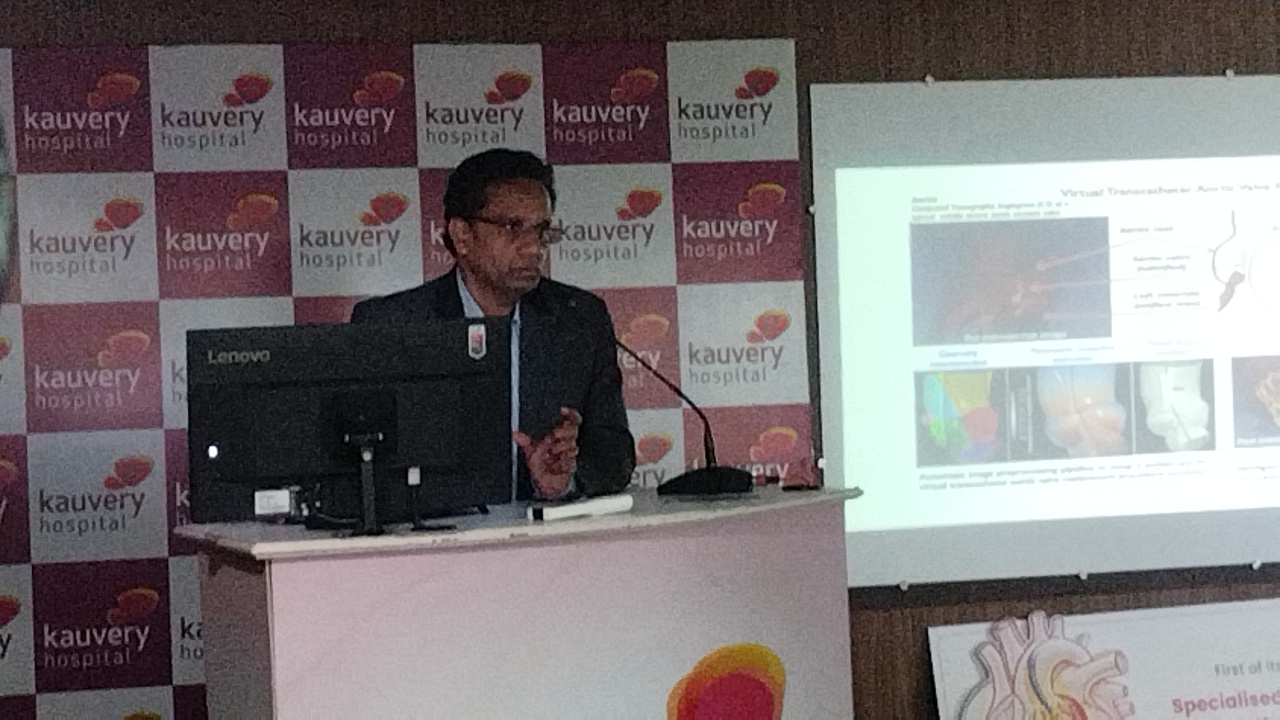

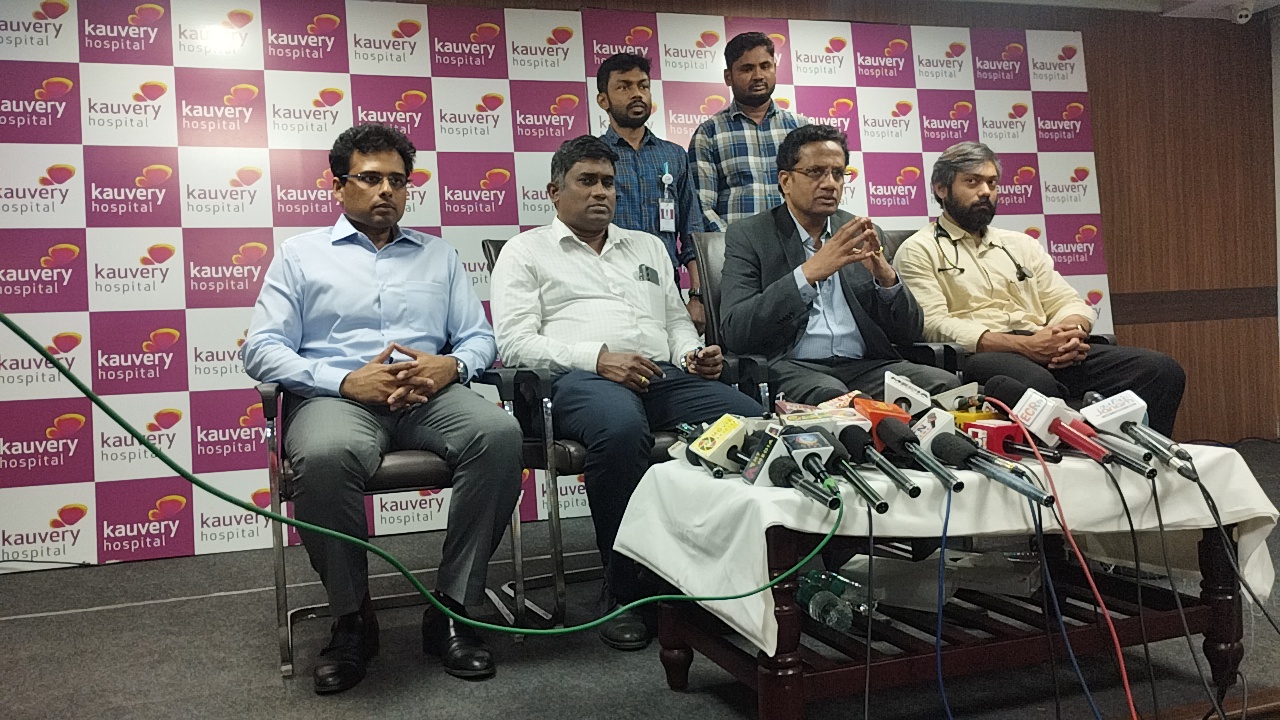
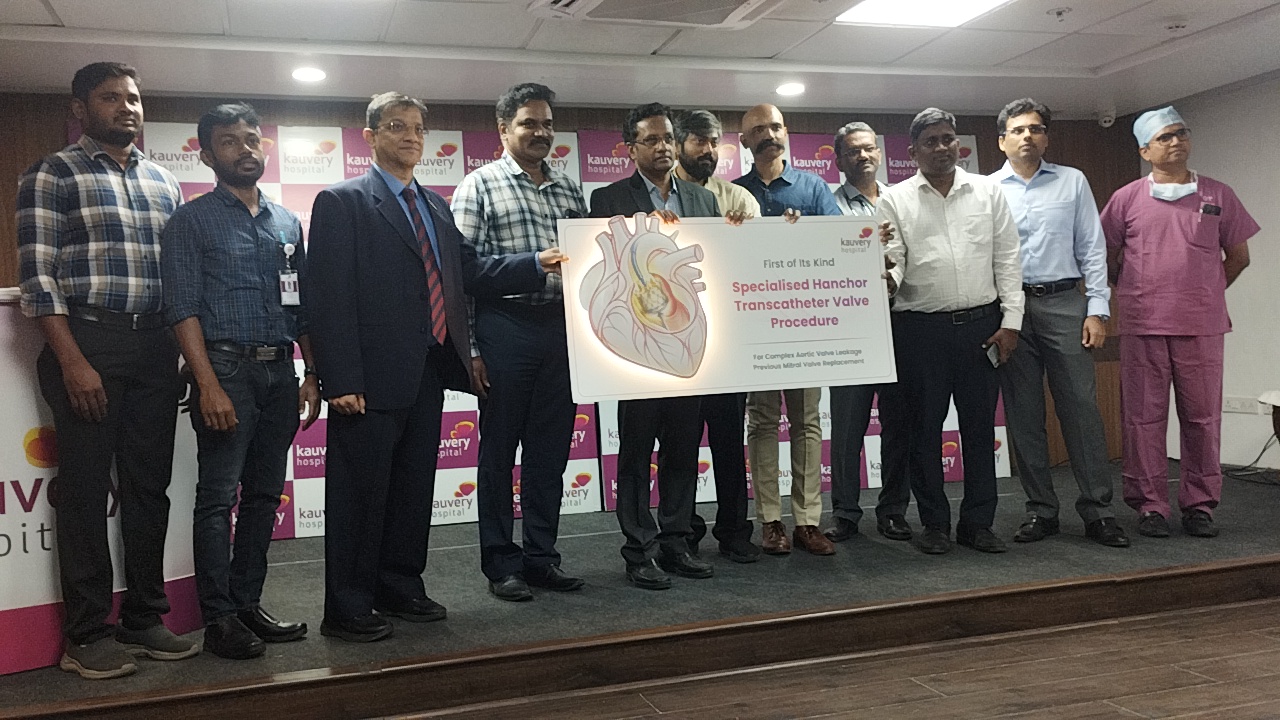
The HANCHOR valve is designed to address the challenge of valve anchoring in pure native aortic regurgitation. It combines a balloon-expandable frame with a dedicated anchoring element made of nitinol, a flexible metal alloy. The anchoring mechanism is designed to engage the native valve leaflets and help stabilise the replacement valve, including in situations where the surrounding anatomy offers limited support.
During the TAVR procedure, the replacement valve was delivered through a catheter and positioned within the patient’s existing aortic valve. This minimally invasive approach allows doctors to replace the faulty valve without conventional open-heart valve replacement surgery, where clinically appropriate.